How can you put the best food on a customer’s plate, full of flavour and taste, but still be responsible to the environment and the planet?
That’s the balance. Let’s face it, we’ve all grown accustomed to being able to get
what we want, when we want, when it comes to our food.
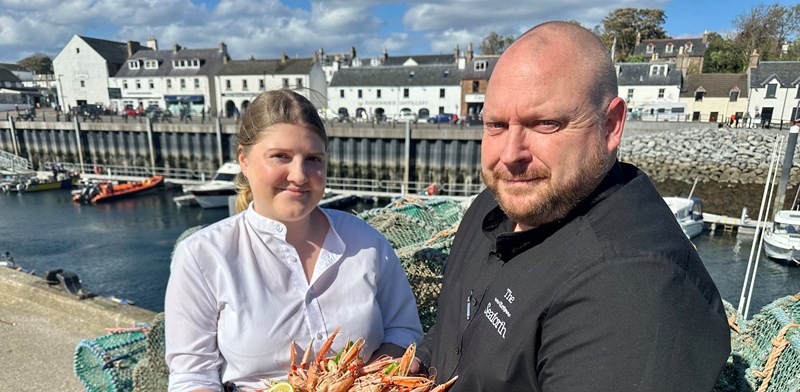
That’s why, at The Seaforth, we decided to challenge ourselves to get to the heart of our sourcing and to learn some lessons about true Sustainability along the way.
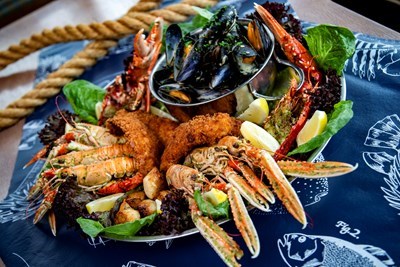
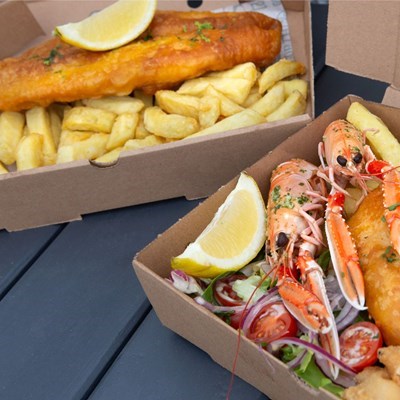
Having discussed our options, as a team, we settled on our ‘food miles’ mission. We would endeavour to source all of our meats and shellfish for our Restaurant and award-winning chippy from within 130 miles (on average) of Ullapool harbour.
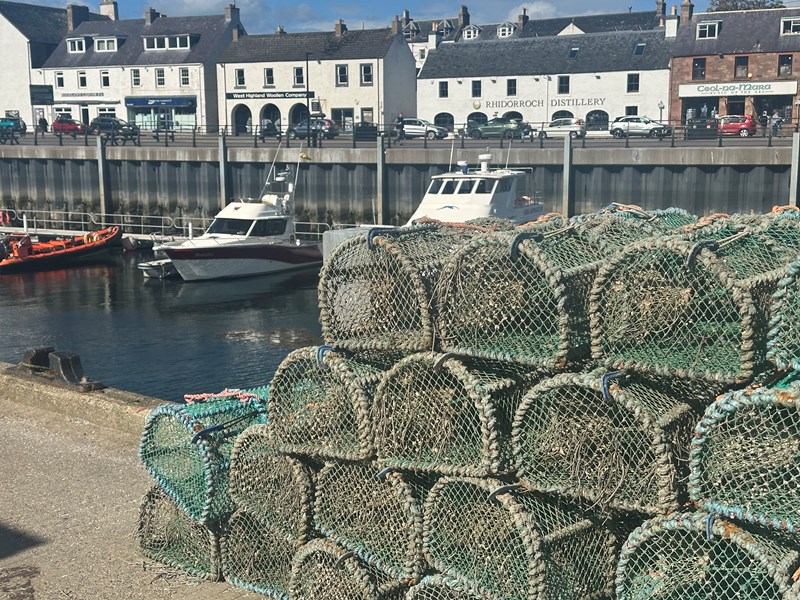
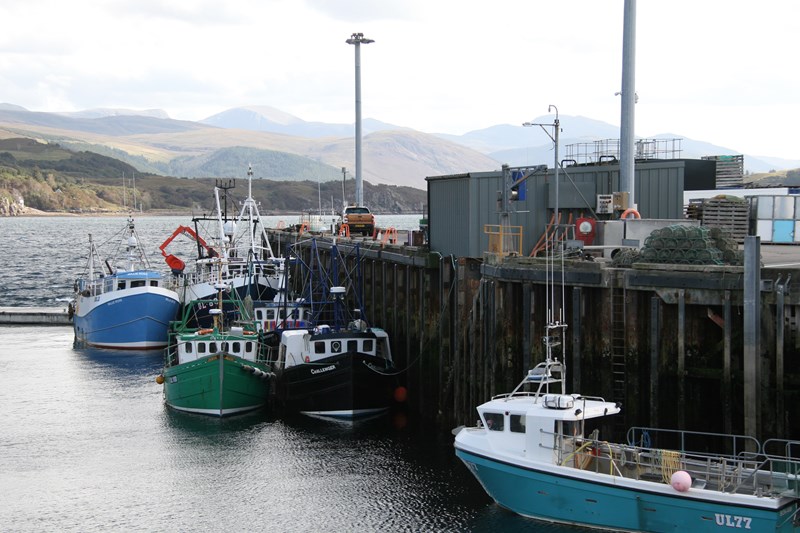
Perched on the edge of Loch Broom, and with a great local seafood supplier in SRC Foods (run by an ex-fisherman), we felt we could possibly manage it. When Stephen from SRC delivers our Oysters and Lobsters to the kitchen, they are as fresh as can be and we know he works with boats locally, arranging collections on days the boats land.
Additionally, there is no processing. Filleting is done by hand in the traditional way.
However, we were also a bit wary when we considered our meats and also the mussels which people come to Ullapool for, from near and far. While the provenance of the mussels is undoubted, arriving fresh from the waters around Shetland, Shetland still is 370 miles away.
Mmm. So we took a collective gulp and decided, nonetheless, that we would go for it. After all, reducing food miles is not only a credible way to cut carbon emissions from food transport and processing, it also means diners getting quality food that hasn’t travelled far to get to the plate. That means freshness and flavour.
Well, how did we get on?
It certainly wasn’t easy. Our customers are used to our excellent steaks, cooked as they like them, but where do these come from? Well, if you don’t want to scrimp on quality, independent farms in places like Angus are where you want to source from. That is what we do, using our trusted supplier, Edgefield Craft Butchers. So, in all honesty, the meats averaged out slightly beyond the 130 mile limit (46 miles above the target). Still not bad but, knowing this, we were watching our tallies very closely after that.
Fortunately, the shellfish came good for us. In total, the average food miles of our shellfish amounted to only 73 miles over the course of the 2 week challenge.
When we added up everything, we made it – by 11 miles!!!!
So, we met the challenge but it taught us lessons, too. Finding the balance between customer demand for great food and being as sustainable as possible is not easy but it is incredibly rewarding – and important.
Next year, we are going to replace our Sea Bass with a local product, taking on board one of the points we scribbled down.
We want to showcase the best Scotland has to offer, but not at the cost of our wonderful environment.