Health & Wellness Benefits
Wild swimming has become more than a pastime; for many, it’s become a go-to, less of a ‘want’ and more of a ‘I just NEED to get into the water.’ The ‘magical’ quality of the cold water is being embraced more and more. The moment cold water meets skin, the body responds with a surge of energy. The heart rate quickens, breathing deepens, and adrenaline floods the system. Within minutes, endorphins - the body’s natural mood-lifters - begin to circulate, leaving swimmers with a powerful sense of euphoria. Over time, this repeated exposure helps regulate stress hormones, supporting emotional resilience and enhancing overall wellbeing.
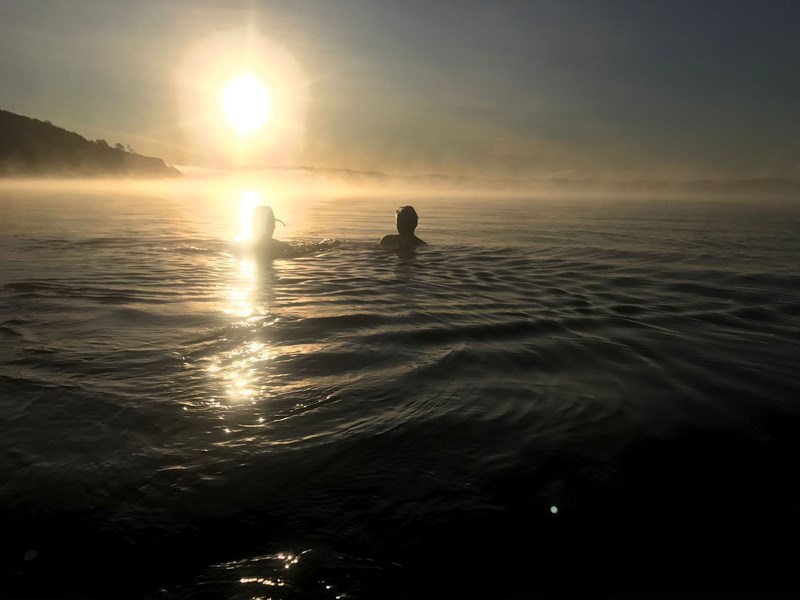
Beyond the biological response, there is something deeply healing about water itself. Immersing in rivers, lochs, or the sea allows worries to dissolve into the flow of the current. The cold doesn’t give you much choice - it forces your attention into the present moment, stripping away distractions. In that way, it’s like a shortcut to mindfulness. The body is held, supported, and soothed. Swimmers often describe a profound sense of clarity and release, as if the water washes away not only tension but also the weight of everyday life. This “blue therapy” brings a restorative calm, reconnecting people with themselves (and others) as well as with the natural world around them.
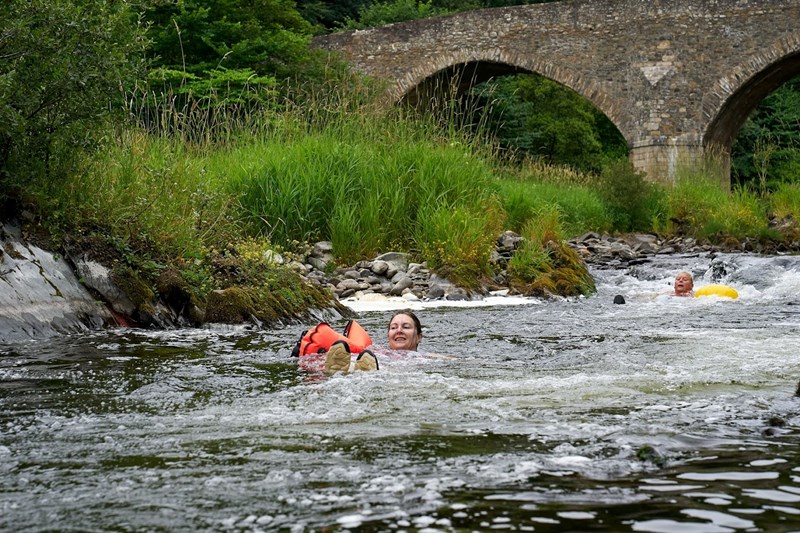
Health & Safety
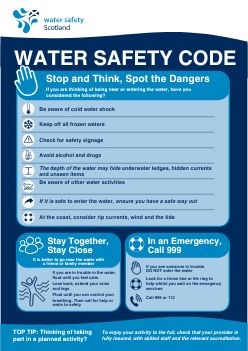
With all its benefits, wild swimming also carries risks, and safety must always come first. Water Safety Scotland highlights the importance of following the Water Safety Code:
Stop and Think: Pause before entering the water. Consider the weather, currents, tides, and where you’ll get out.
Stay Together: Swim with others or make sure someone knows where you are.
Float to Live: If you find yourself struggling, lie back, float, and regain control before moving.
Call 999 or 112: In an emergency, ask for the Coastguard at sea or Fire and Rescue for inland waters.
Our Safety Tips
-
Always do your mini risk assessment - a hazard check where you mentally take a note of any potential risks and then figure out what you need to do to prevent or lessen the danger - before going into the water.
-
Enter the water gradually to reduce the risk of cold-water shock.
-
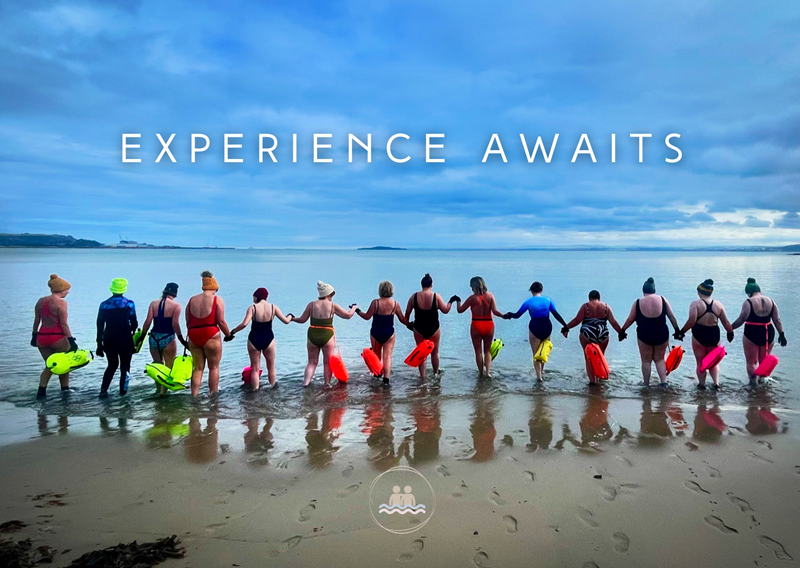
Swim with your buddies, or make new friends
-
Wear a bright swim cap and use a tow float for visibility.
-
Planning your exit from cold water is just as important as planning how you enter it, because the risks continue after you get out.
-
Remove wet kit immediately, dry and dress, have warm layers and a hot drink ready for after your swim.
-
Always have an emergency plan in place. Ask yourself, ‘What could go wrong?’ and think through how you’d respond.
Stay prepared - complacency is dangerous. Respecting and understanding the water is part of the ritual - it’s what allows wild swimming to be both exhilarating and safe.
Swimming after Summer
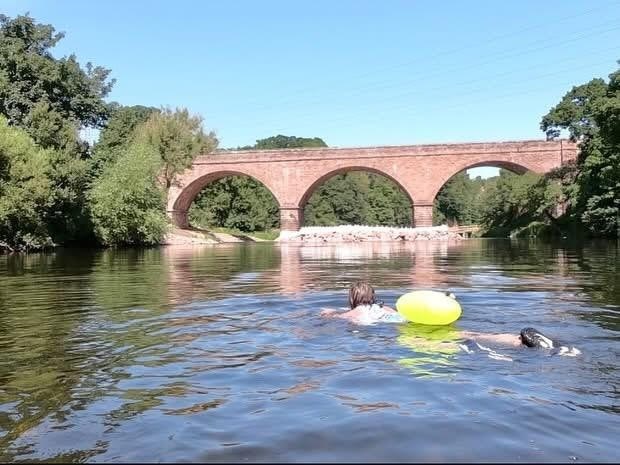
As summer warmth fades, the transition into autumn brings a new dimension to wild swimming. Water temperatures begin to drop, the air carries a sharper edge, and the landscape glows with autumn colour. For many, this is when the healing qualities of water feel strongest. The contrast between the cold immersion and the warmth of recovery afterwards creates a deep sense of renewal.
Shorter days mean it’s important to plan swims carefully, making the most of daylight and keeping an eye on changing conditions. Autumn swimming isn’t about endurance; it’s about presence. Each dip becomes an act of resilience and self-care, a reminder of the body’s strength and the mind’s adaptability.
Swimming as Medicine
Wild swimming is more than exercise - it is medicine for both body and mind. It heals, it energises, and it restores. With an awareness of safety and a willingness to embrace the changing seasons, open water can remain a source of joy and wellbeing long after summer has passed.
It’s wise to get a medical check-up before beginning cold water swimming, and consider going with a qualified guide, especially when starting out.
For more on cold water therapy, mindful wild bathing, and safe, joyful swimming adventures, check out our members:
Lynda – Take to the Water
Jenny – The Cold Water Therapist
Jo – Wild Bathing
Thanks to Lynda for writing this blog, and to Jenny and Jo for providing additional notes.
Photos credits: Take to the Water, The Cold Water Therapist, Wild Bathing